France’s furniture market is seeing sales of items priced under €100 rise, while products costing more than €500 are declining. This shift toward frequent, low-cost replacements raises a question rarely addressed in home décor guides: how can you create a warm, inviting interior that lasts without buying more and more—or turning your home into a furnace as soon as the first hot weather arrives?
Thermal comfort and home décor: what the DPE doesn’t tell you about summer
Most advice on creating a cosy interior revolves around thick textiles, dark colours and layers of different materials. These choices work from October to March. However, an article published by Connexion France in October 2026 points out that summer comfort does not affect the final DPE rating, even though it is assessed. Homes on upper floors, in cities or with poor insulation are particularly vulnerable to overheating.
In other words, a living room decked out in velvet, heavy throws and blackout curtains may have a decent DPE rating and still become unbearable in July. Insulation alone cannot guarantee a cool home: ventilation, the orientation of windows and the choice of surface materials matter just as much as wall thickness.
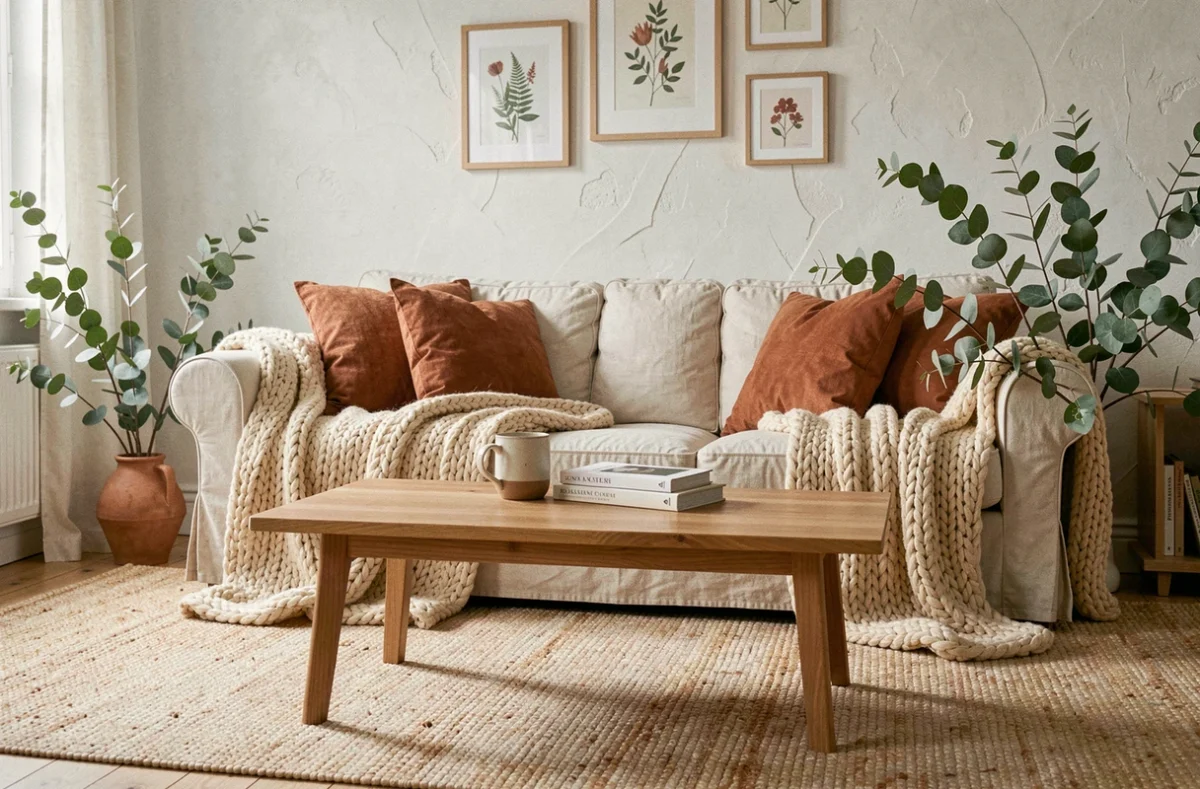
Taking thermal comfort into account when decorating changes the equation. Choose removable textiles over fixed coverings, adjustable interior blinds over permanent double curtains, and materials that do not retain heat (linen, tightly woven cotton) instead of thick synthetics.
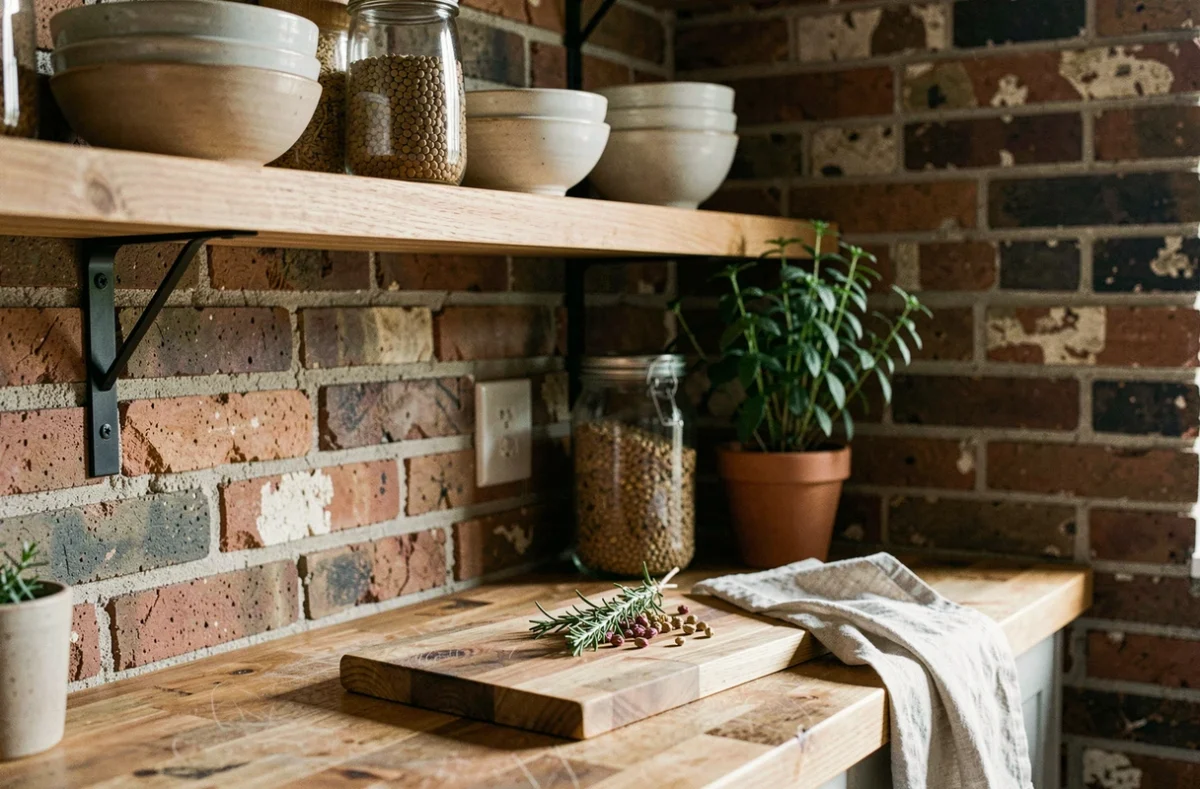
Several ideas in Mimi La Cocotte’s home section explore this balance between a cosy atmosphere and seasonal adaptability.
Decorative textiles and the furniture EPR scheme: a neglected practical angle
Changing cushions, curtains or rugs every season generates a volume of textile waste that rarely gets mentioned in inspiration articles. Since 1 January 2022, curtains, sheer curtains, interior blinds, cushions and decorative rugs have been covered by the furniture EPR scheme, according to the regulatory overview on declaration-rep.fr.
The AGEC law provides dedicated funding for reuse across several EPR schemes. In 2023, Ademe recorded 90,385 tonnes reused or repurposed across six EPR schemes, including furniture. That figure may seem substantial, but second-hand goods accounted for just 1.4% of the furniture market in 2023, according to an industry source cited by Businesscoot.
For consumers, this has a practical implication: rather than throwing away a faded curtain or worn rug, you can use the collection points that are already available and continuing to expand. Better still, buying second-hand textiles (cushion covers, throws, rugs) lets you refresh a room for less without fuelling new production.
What to look for in durable, adaptable textiles
- Natural materials without synthetic linings: linen, cotton and wool. They wash, dye and age better than polyester, which pills and retains heat
- Removable covers for cushions and seats: change the cover, not the cushion. This cuts both cost and environmental impact
- Neutral colours for larger items (sofas, main curtains), with bright colours reserved for easy-to-replace accessories (throws, placemats, pillowcases)
Colour, light and materials: make your living room feel warm without redoing everything
Home décor competitors routinely recommend repainting the walls, investing in a new sofa or adding more light fixtures. These tips can work, but they assume a regular budget for replacing things. Yet sales of items priced over €500 are declining, according to La Dépêche (November 2026), confirming that households are looking for more affordable solutions.
A few targeted changes are enough to transform the feel of a living room without changing everything.
Lighting as the main tool
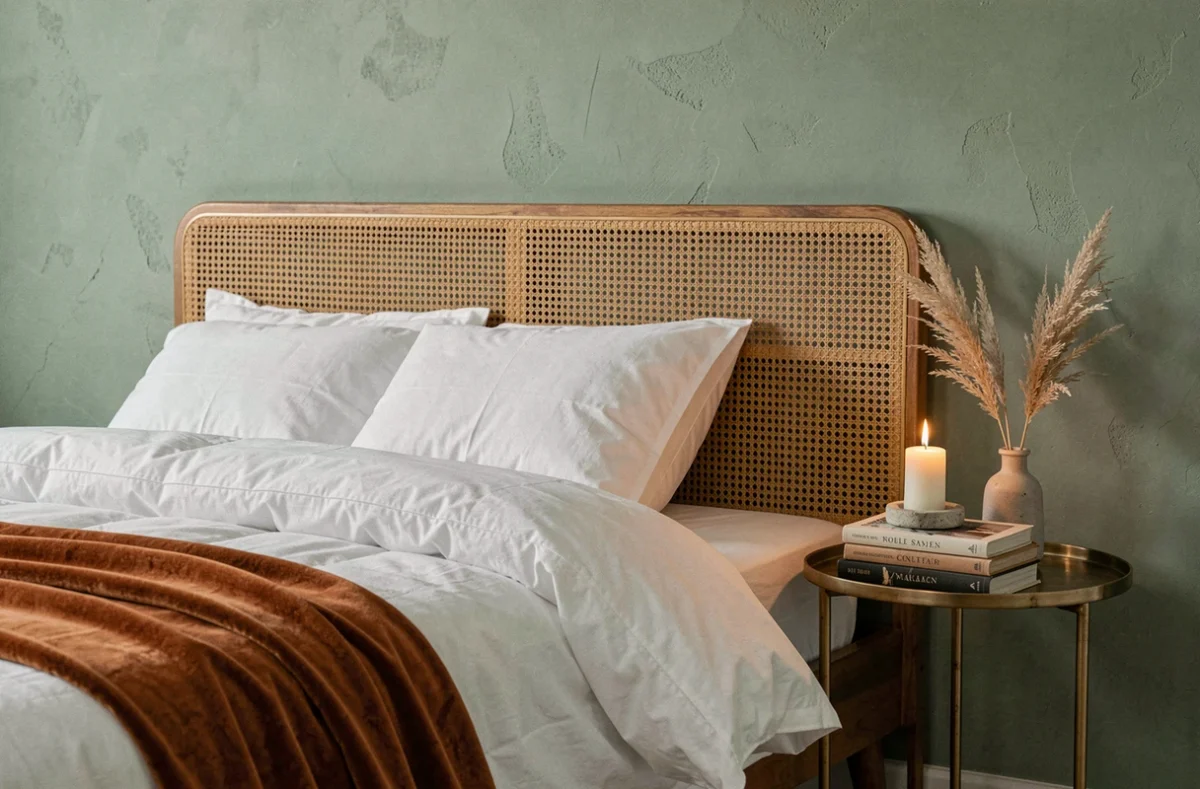
A single ceiling light creates cold, flat lighting. Add two or three low-level light sources (a reading lamp, a warm-white LED string light, a candle) and the room will feel completely different. Wood, rattan or brass light fittings add warmth without changing the walls or furniture.
In summer, these low-level light sources are just as pleasant: they do not heat the room like a halogen bulb, and their soft glow avoids the “visual overheating” effect of recessed spotlights.
Natural materials and existing furniture
Instead of buying a new coffee table, sanding and oiling the one you already have can bring the wood back to life. An oiled oak tabletop, a raw pine shelf, a wicker basket: these natural materials age gracefully without going out of style. They absorb less heat than metal or glass, which also helps keep your home comfortable in summer.
Fast décor: the real cost of constantly replacing things
In November 2026, La Dépêche, citing a report by Biggie and Zero Waste France, reported a rise in the number of furniture items placed on the market since 2017, alongside a low proportion of collected furniture actually being reused. The parallel with fast fashion is clear: low prices encourage impulse buying, rapid replacement and the accumulation of items that end up at the waste disposal centre.
For a home that stays warm and inviting over time, the opposite approach works better. Invest in a few well-made pieces (a sturdy sofa, a solid wood table) and change the mood with textile accessories and lighting. This lets you enjoy your home for years without getting bored or wasting resources.
- A quality sofa with a washable cover can last a decade. Three covers in different colours can suit every seasonal mood
- Second-hand finds (vases, frames, mirrors) add a distinctive touch that no catalogue can replicate, and can still be resold
- Houseplants can change the feel of a room for the price of a pot and a little care, while also helping regulate indoor humidity
A warm, inviting home is about more than piling on layers of visual comfort. Thinking of décor as a system that adapts to the seasons reduces unnecessary purchases, improves actual thermal comfort and gives every room a lasting sense of cohesion beyond the latest trend. The real luxury in home décor is not having to change everything to feel at home.