Ageing well in everyday life depends on a range of factors that go beyond individual lifestyle habits. Diet, physical activity and social connections are widely recognised as key pillars, but living conditions, access to services and adapting the home to climate-related risks are just as important for preserving independence.
Overheated homes and ageing well: a blind spot in conventional advice
Most recommendations on active ageing focus on preventing falls or adapting the home interior. Yet thermal comfort during hot weather is a key factor in older people’s health.
French parliamentary debates on housing have incorporated the concept of “summer comfort” into certain renovation criteria and condominium renovation plans. A poorly insulated flat that overheats is not just a problem when it comes to energy bills: it disrupts sleep, increases the risk of dehydration and worsens existing cardiovascular conditions.
An Insee publication indicates that some parts of the population live in areas expected to experience more unusually hot days. Prevention advice should therefore be tailored to the region and the home, rather than offering everyone the same routine.
Installing external sun shades, ventilating during cooler hours or using a fan consumes little energy and can make a real difference to quality of life in summer. Resources dedicated to sustainable ageing are available, such as https://www.greenseniors.org, which explores the links between ecology and ageing.
Identifying frailty early: act before independence is lost
French prevention policy aims to identify risk factors early and address diet, physical activity and social connections, rather than waiting for a significant decline in independence. This principle, enshrined in legislation, is changing how we approach ageing.
Frailty is not a fixed diagnosis. It describes an intermediate state between normal ageing and dependency, in which small, targeted interventions can change the course. A slower walking pace, unintentional weight loss or social withdrawal are warning signs to take seriously as soon as they appear.
Signs to look out for in yourself or someone close to you
- Unusual fatigue that lasts more than a few days and limits everyday activities such as shopping or cooking
- A decline in grip strength (difficulty opening a jar or carrying a shopping bag), which may indicate progressive muscle loss
- Increasing isolation, less frequent outings or giving up regular social activities
- Skipping meals or relying on overly simple meals, which may indicate an unbalanced diet that accelerates muscle loss
Consulting your GP for a straightforward geriatric assessment can help establish whether these signs are present. Intervening at the pre-frailty stage is more effective than any late-stage intervention.
Access to shops, transport and social activities: practical factors in ageing well
Living conditions and access to services are key factors in healthy ageing. An older person who lives near food shops, a medical practice and a public transport stop can maintain an active life more easily than someone living alone in a rural area without a car.
Being far from services is more than a logistical inconvenience. It creates a vicious cycle: fewer trips mean less physical activity, fewer social interactions and more difficulty accessing a varied diet. Geographical isolation accelerates the loss of independence just as much as a sedentary lifestyle.
Eating well when shops are far away
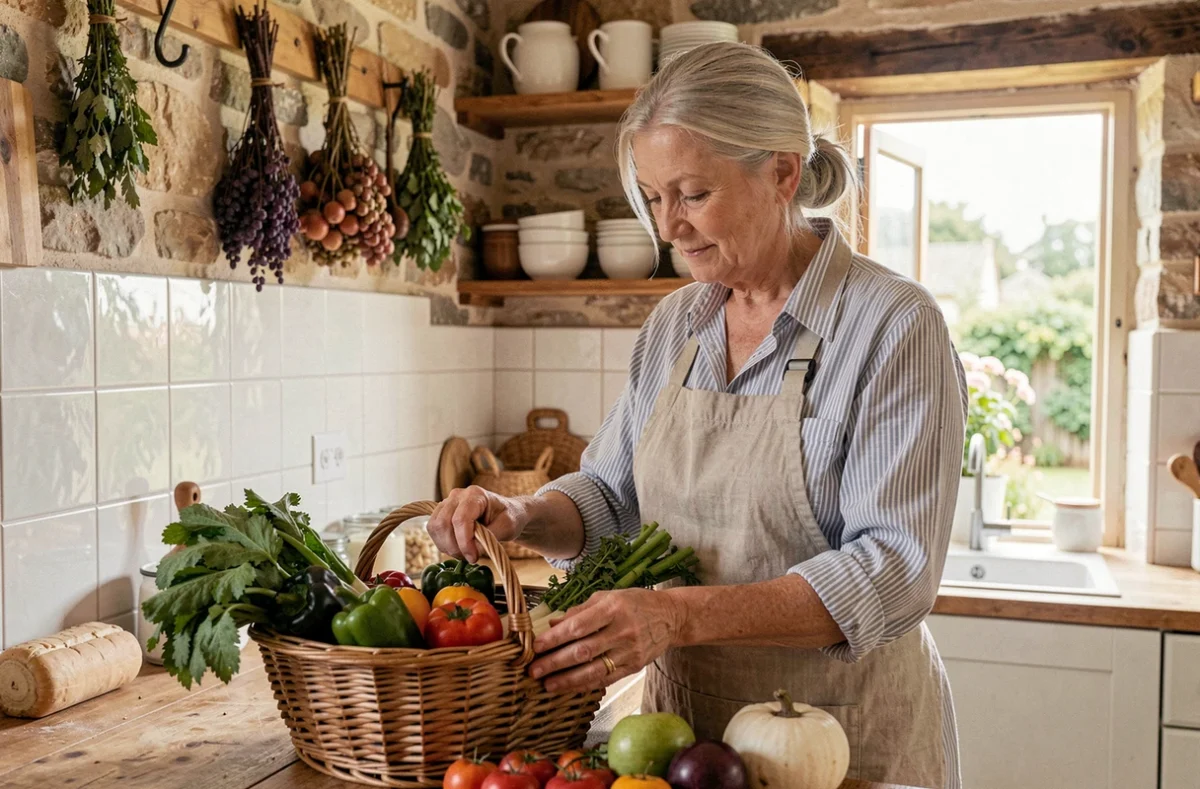
A healthy diet requires a regular supply of fruit, vegetables and protein. When the nearest supermarket is several kilometres away, there are alternatives: group deliveries organised with neighbours, home delivery of local produce boxes, or meal delivery through local social services centres.
Choosing pulses, tinned fish and frozen vegetables (with no added salt) can reduce the need for frequent shopping without compromising nutritional quality. These foods keep for a long time and provide protein and fibre, which become increasingly important with age.
Adapted physical activity without a gym
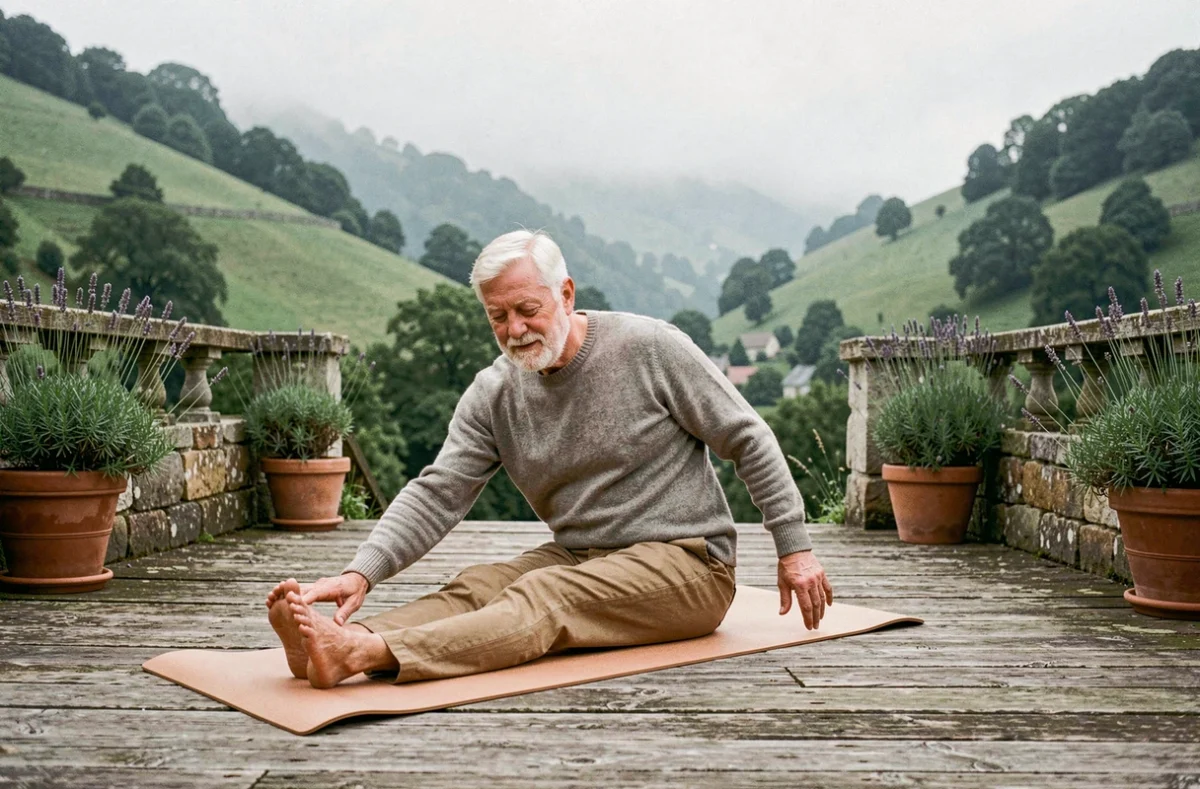
Physical activity is not limited to walking or group exercise classes. Gentle routines at home, including chair exercises for people with reduced mobility, help maintain muscle strength and balance. A few daily movements to strengthen the legs and core are enough to slow sarcopenia, the age-related loss of muscle mass.
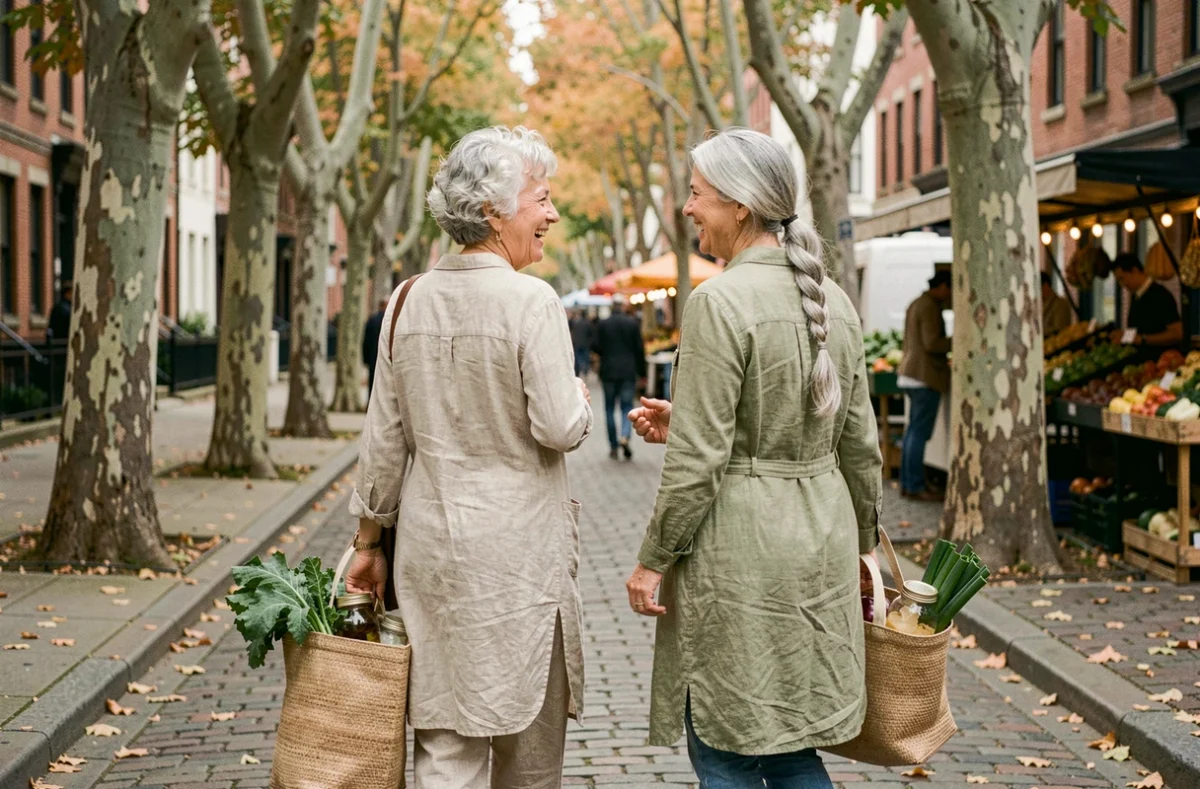
Eco-friendly habits and health: everyday benefits that go hand in hand
Reducing energy use, limiting processed foods and choosing local produce are not just expressions of environmental commitment. These choices have measurable health benefits for older people.
- Cooking with fresh ingredients instead of ready meals reduces salt, added sugar and additives, all of which can worsen high blood pressure and type 2 diabetes
- Ventilating your home during cooler hours instead of using air conditioning helps preserve indoor air quality and reduce respiratory infections
- Walking or taking public transport for short journeys maintains daily physical activity and reduces your carbon footprint
An energy-conscious lifestyle naturally goes hand in hand with a healthy lifestyle. Gardening, for example, combines gentle physical activity, exposure to natural light and local food production. Even a small balcony can accommodate herbs or a few tomato plants.
The aim is not to overhaul your habits all at once. Replacing one car journey a week, adding a seasonal vegetable to every meal or installing a programmable thermostat are small steps that, over several months, can improve both a household’s carbon footprint and its health indicators. Active ageing is built through these gradual adjustments, grounded in the realities of the home and neighbourhood.