No food processor reigns supreme in the realm of oilseeds. Some proudly display their watts but capitulate after a few minutes, while others, more compact, endure and reduce almonds or nuts without flinching.
Flashy advertising, promises of versatility, and lengthy technical specifications: the market for food processors mixes genres and sometimes confuses the paths. Between the actual capacity of the bowl, the effectiveness of the blades, and maintenance constraints, every technical detail can disrupt the final result or the longevity of the device. As soon as you aim for a creamy texture or a smooth purée, the slightest weakness becomes glaring.
Why blending oilseeds requires a truly suitable robot
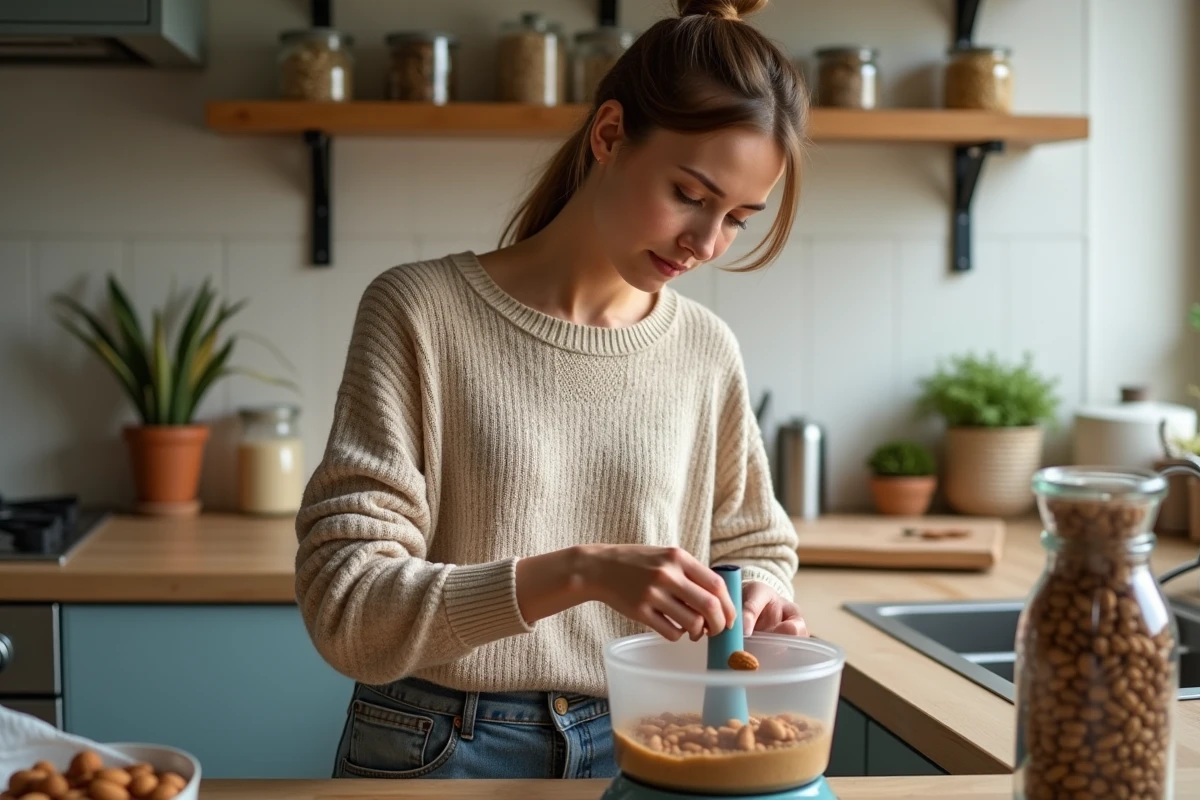
Reducing oilseeds to crumbs to enhance a breakfast is one thing. Achieving a silky almond purée, cashew butter, or a professional-grade praline is another. It requires a solid motor, stainless steel blades capable of overcoming resistance, and a design that limits the risk of overheating. This is the guarantee of a reliable device, designed to last.
The choice of mixer or blender is not merely an aesthetic or volume question. What matters is the architecture of the robot, the assembly, and the robustness of the materials. A mixer can turn tough foods into paste or powder, but not all are designed to withstand the effort. The high-performance blender pulverizes ice as well as seeds or oilseeds, and becomes essential when aiming for creamy purées. Conversely, the multifunction robot accumulates uses but quickly shows its limits when it comes to blending hard ingredients over time. As for the mini-chopper, it helps with small quantities but lacks the capacity for rich and creamy textures.
In the face of this diversity, one question keeps coming back: which robot to blend oilseeds? Experienced enthusiasts know: motor power, blade profile, stability on the work surface, and heat management make all the difference. A poorly designed bowl or a motor that is too weak, and the preparation falls short. Take the time to examine each characteristic, think about the frequency of use, and the types of recipes targeted. This vigilance allows for homemade purées worthy of the name, without compromising on texture or flavor.
What criteria make the difference in choosing the right blender at home?
Faced with the abundance of models, it is essential to rely on concrete benchmarks to sort through them. Here are the technical criteria that help identify a device tailored for oilseeds:
- Motor power: to tackle nuts or almonds, a minimum of 600 watts is required. Below that, the device tires quickly and the texture remains grainy. A robust motor keeps pace, does not overheat excessively, and ensures a long lifespan for your robot.
- Bowl capacity: depending on your habits, aim for a bowl of 1.5 to 2 liters for a family, or a more compact size for solo use. The glass bowl has several advantages: it withstands temperature fluctuations better, cleans effortlessly, and does not retain odors or colors.
- Stainless steel blades: they make all the difference in the fineness of the result and the speed of blending. The right robot should also allow for easy assembly and disassembly for maintenance.
- Ergonomics: non-slip feet, a well-sealing lid, easy-to-handle accessories… All these little details matter in use.
- Spare parts and warranty: a reliable device is recognized by the availability of accessories and the length of the warranty, a sign that the manufacturer is committed for the long term.
Consider the space you have, the frequency of use, and the value for money. It is these considerations, not the design, that make for a high-performing blender for oilseeds on a daily basis.
Some tested and approved models for successful nut purées and butters
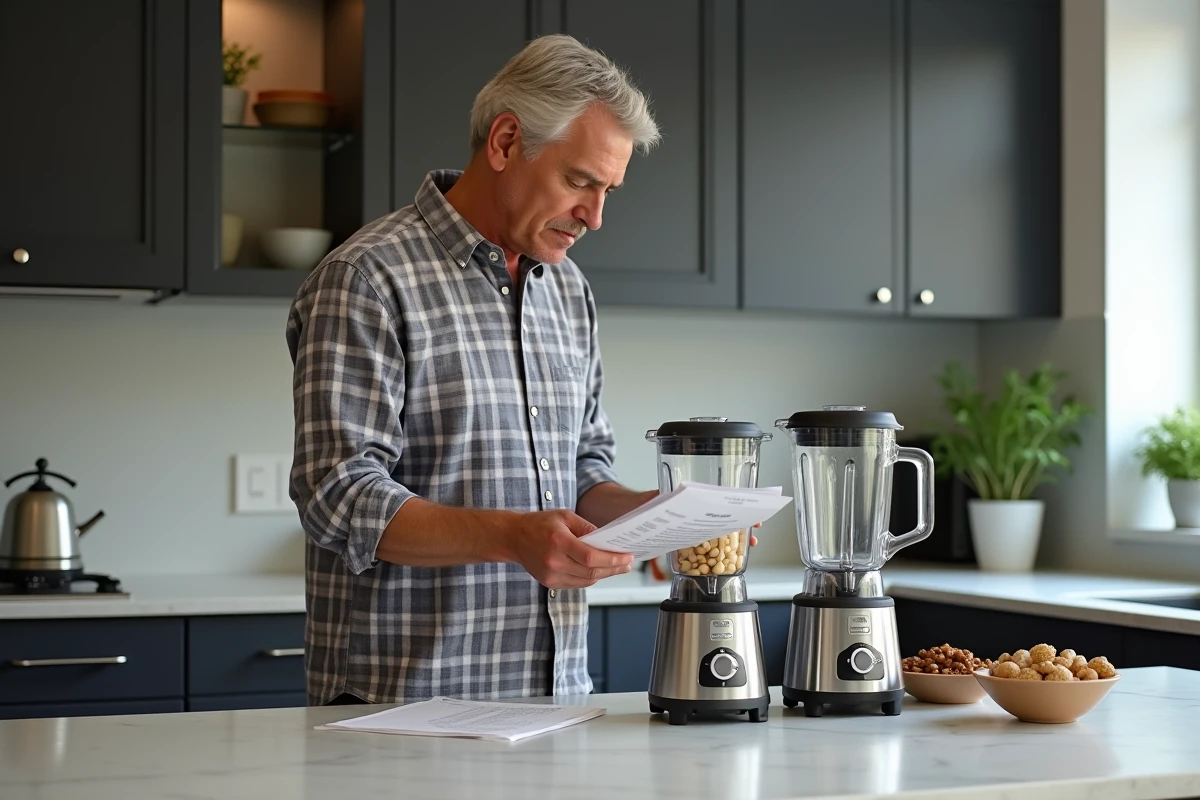
To transform oilseeds into creamy purée, nothing replaces a well-equipped blender: sturdy motor, stainless steel blades, and ideally, a glass bowl. The tests are clear: going below 600 watts risks a device that stalls and a purée that remains coarse. Glass, on the other hand, does not retain stains or odors, reassuring the most demanding about taste neutrality.
Families, or those preparing in large quantities, will find happiness with a multifunction robot. Its versatility is appealing, but effectiveness always depends on motor power and blade durability. For individual use, the mini-blender is suitable, provided you adhere to the dosages recommended by the manufacturer.
Depending on needs, here are some profiles of suitable devices:
- For smoothies or very smooth soups, the heating blender is practical thanks to its cooking function, even if it shows its limits on very thick preparations.
- The personal blender will appeal to those looking for speed and simplicity. Its compact and graduated bowl makes ingredient dosing easier and is easy to carry.
Feedback is unanimous: ease of cleaning, noise level, and reliability over time guide the choice. Prefer a model whose accessories are dishwasher-safe and whose spare parts remain accessible for several years. A well-chosen robot promises homemade purées with perfect texture, morning after morning.